


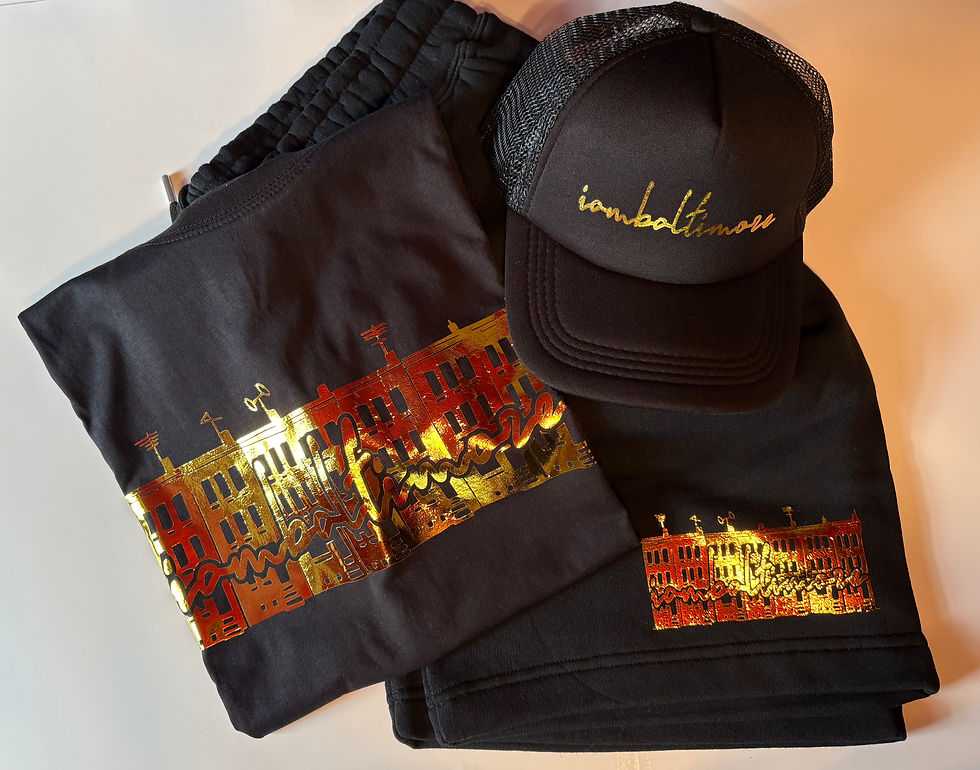


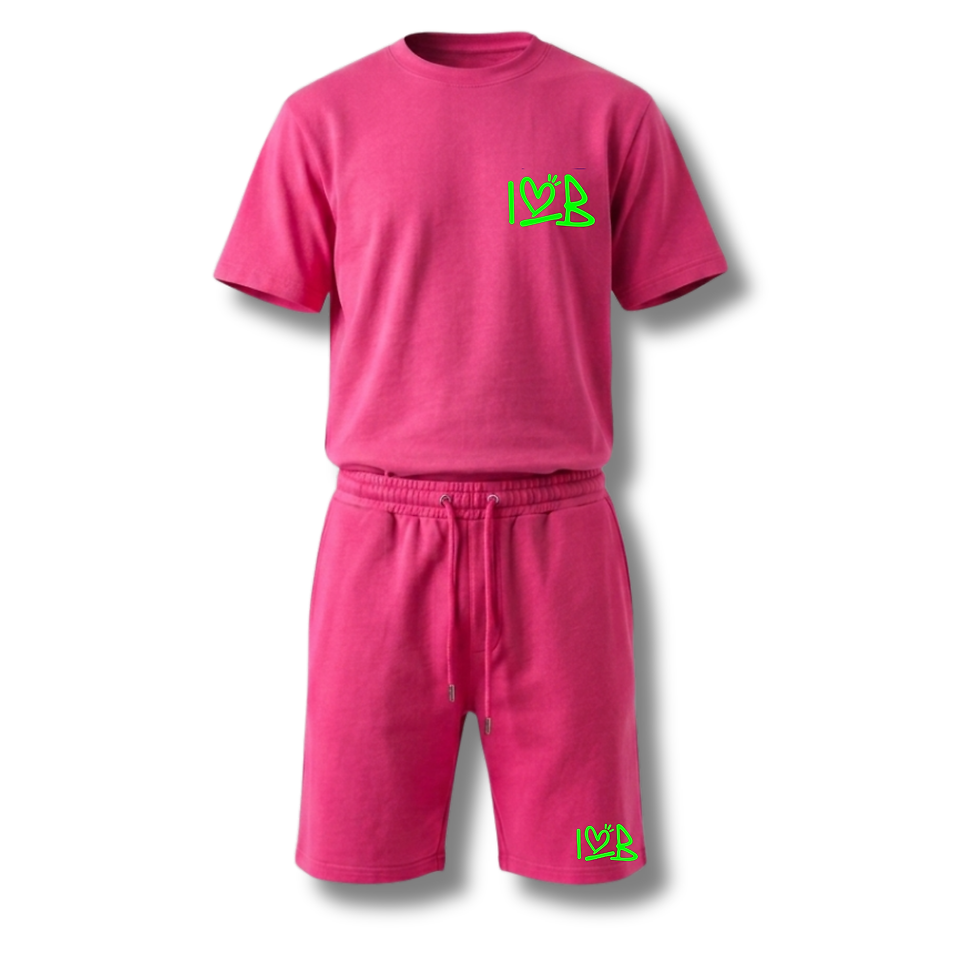


short sets
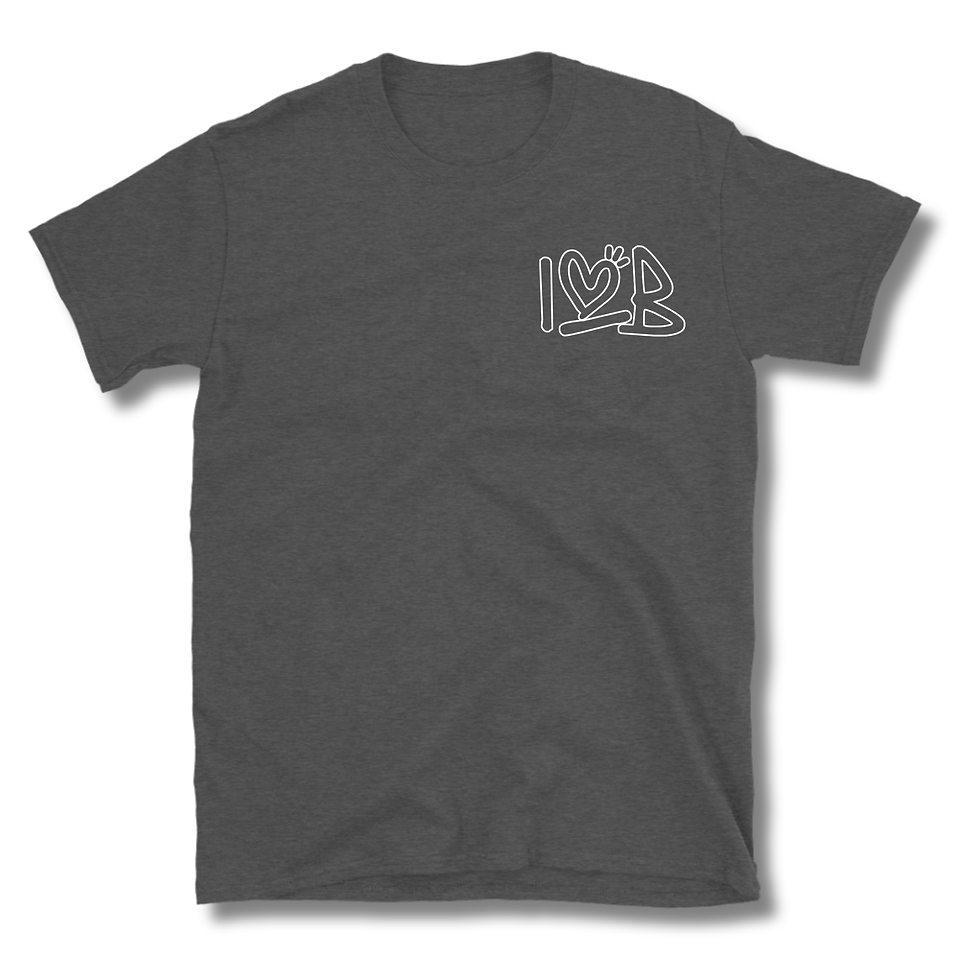
tees




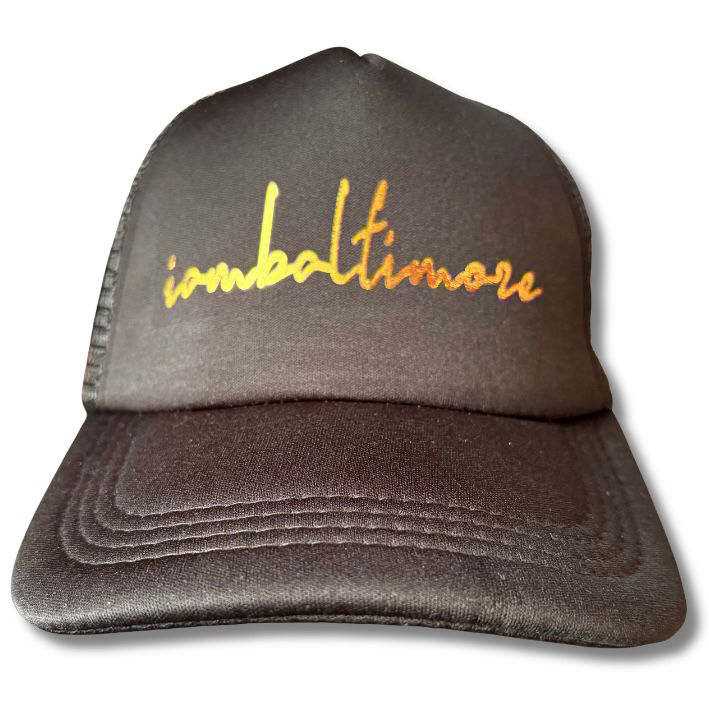



buckets


bold, elevated prints that give a raised, tactile feel...
unlike traditional prints
elevated


Baltimore rowhomes are one of the city's most recognizable symbols - and they've got deep roots. Dating back to the early 1800s, these homes were first built to house the city's growing working class during the industrial boom. As shipbuilding, steel, and manufacturing took off, developers began lining the streets with long, connected brick houses to make efficient, affordable housing near the factories and ports. Over time, each neighborhood added its own flair - marble steps in West Baltimore, colorful formstone in East Baltimore - giving the city that signature look of block after block of unique yet uniform homes. Today, Baltimore is known for having more rowhouses than any other U.S. city, turning what began as practical housing into a powerful piece of local identity and culture.